We build every piece of a complete food system at a school scale.
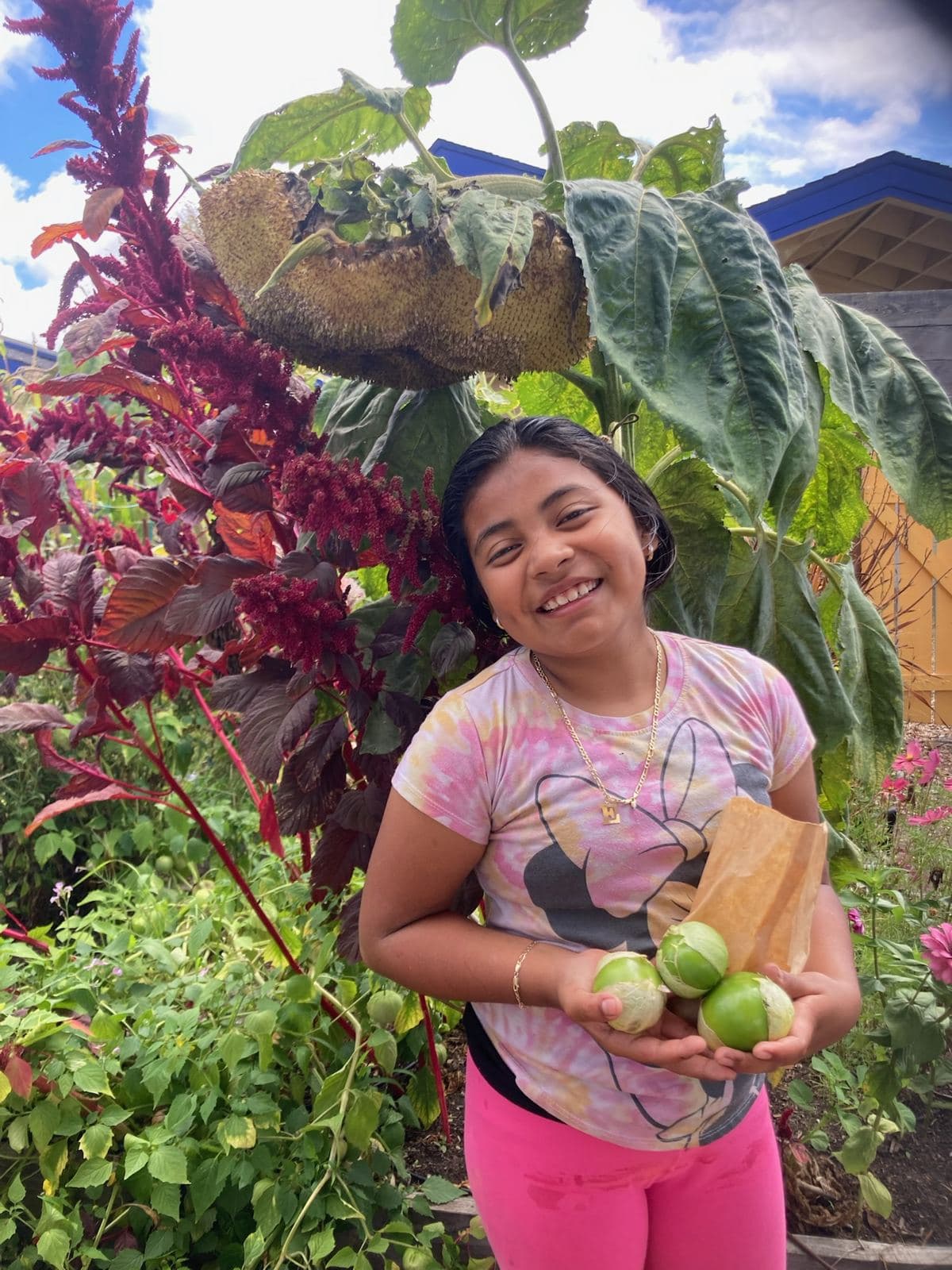
Our food access work grew out of the gardens themselves: as school farms began producing real abundance, we built the ways to get that food to students and families.
In large districts, procurement systems and kitchen infrastructure push Food Services toward heavily processed, pre-packaged products from giant distributors. Cafeterias can't serve fresh food, even when kids and parents want it.
 Our approach
We build every piece of a complete food system at a school-by-school scale, which makes farm-to-table practical for the district: campus farms, culinary job-training, and farm-fresh ingredients in scratch-cooked cafeteria meals.
2.5M+ lbs of farm-fresh produce distributed to student households.since 2020
9,200 lbs of fresh produce was grown for school lunches on school farms.2025
92% of parents said their child brought new knowledge about growing and eating healthy food home to the family.2025-26 survey · 45 of 49 answering, n=50
Redesigning a school-based food system
School-based farming
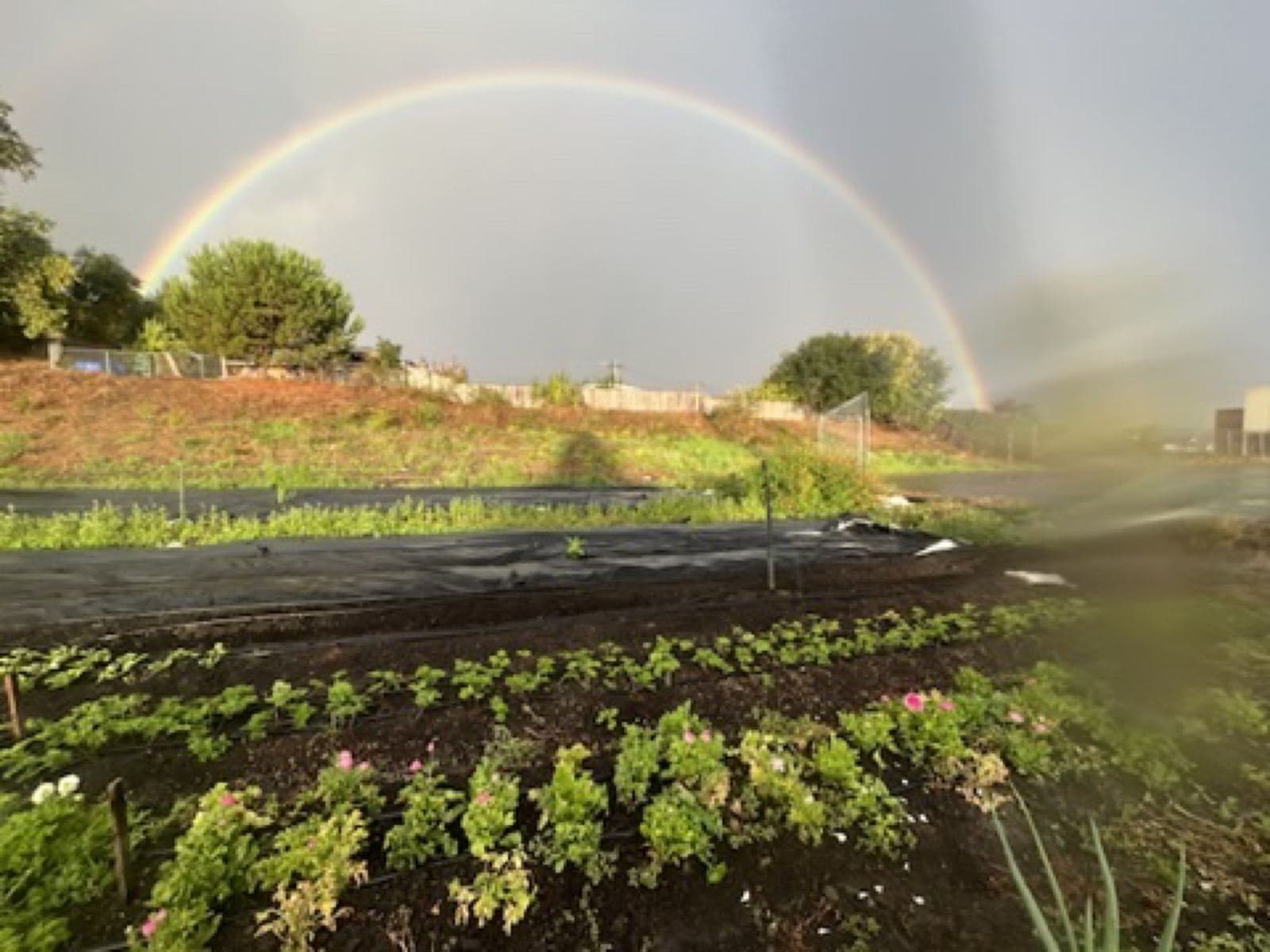
Students and staff turned an unused baseball field into a one-acre farm in 2021. With CDFA Farm to School support we now run one-to-two-acre farms at three WCCUSD schools.
Farm-to-table apprenticeships
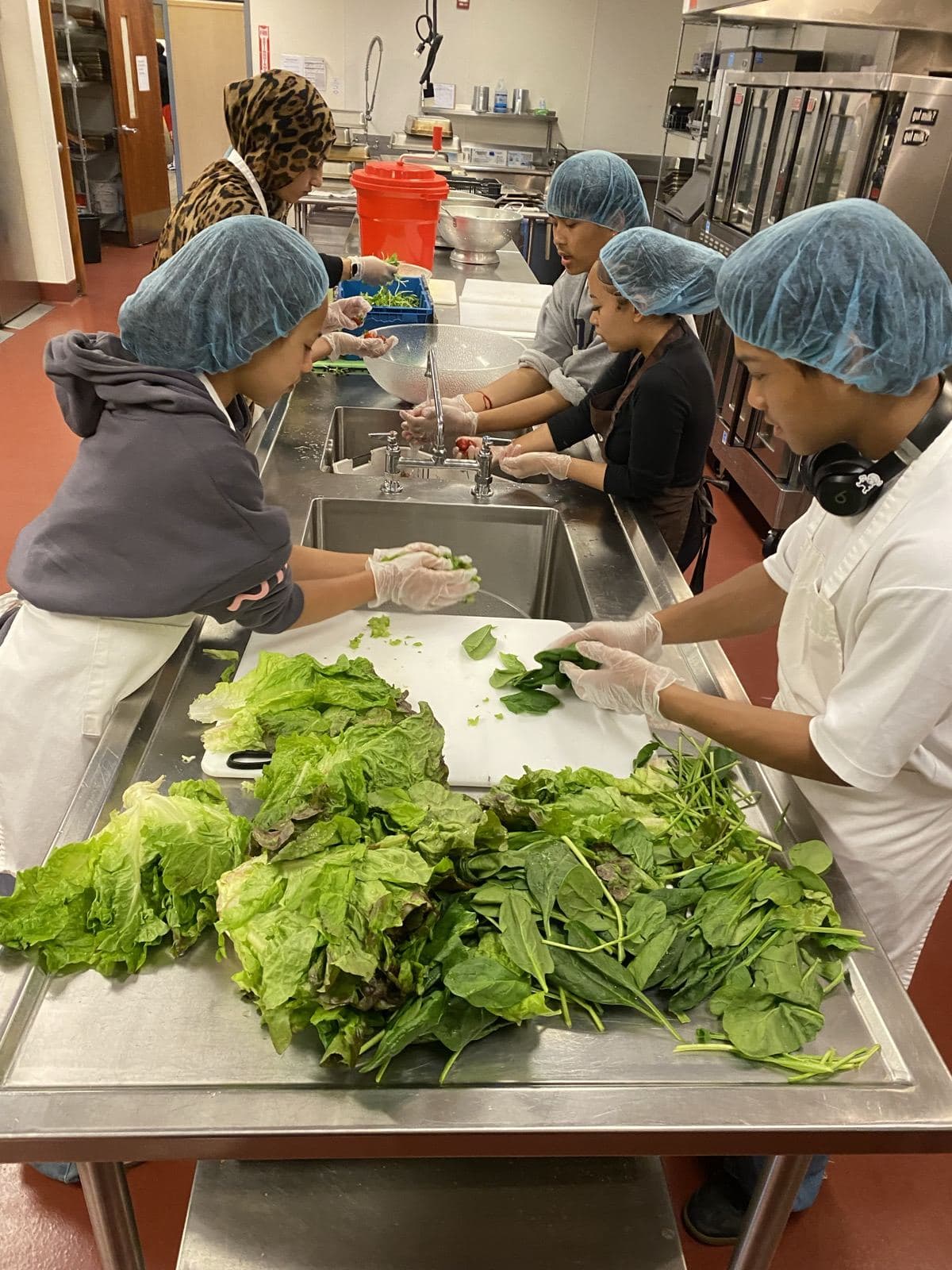
In CTE classes, students design menus, grow and harvest crops, and work alongside cafeteria staff to prepare the day's lunch, mentored by our culinary teachers.
Community food distribution
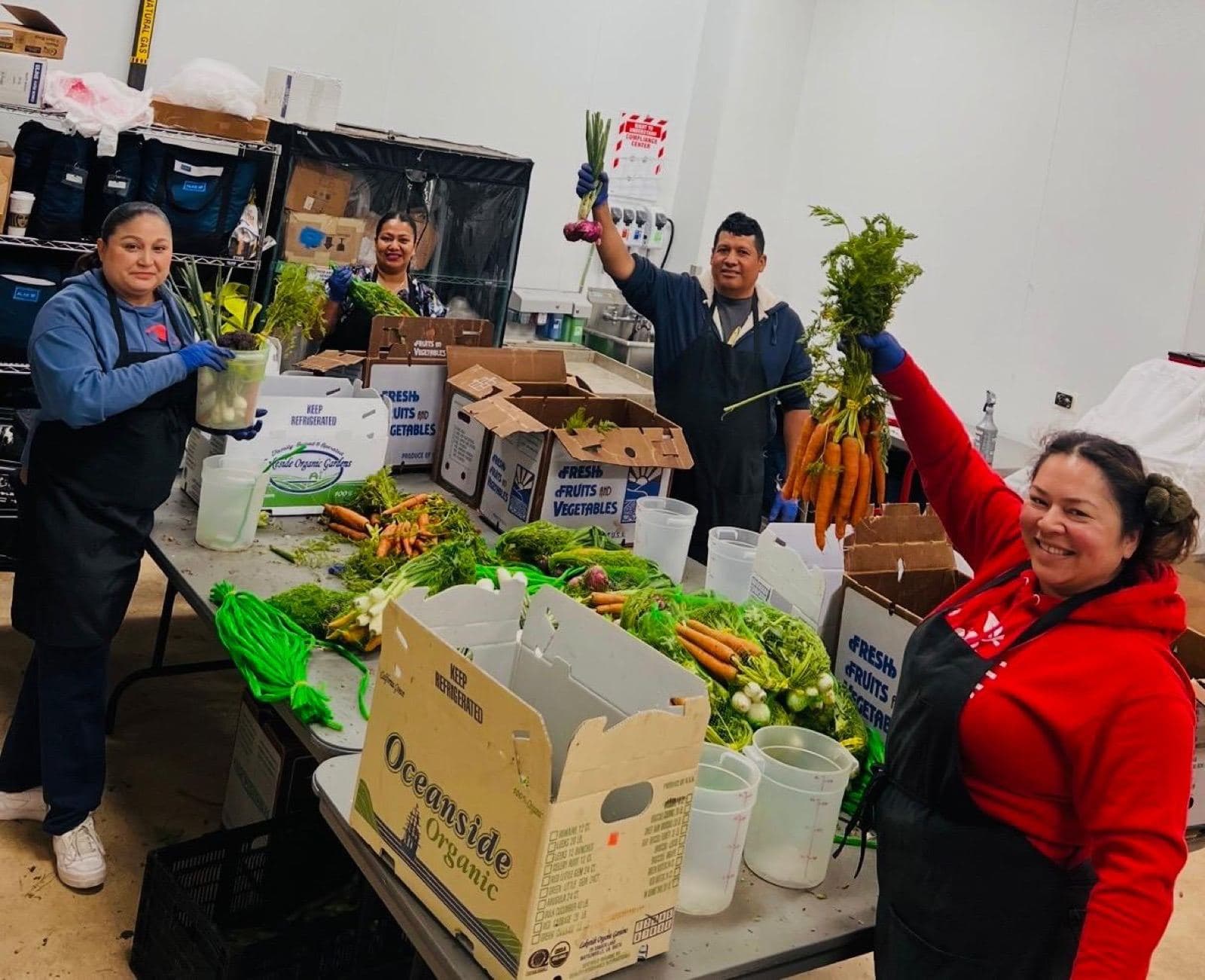
We source from 12 to 15 small local farmers for the Food Bank's Farm 2 Kids program, distributing 5,000 lbs a week to low-income school communities.
Bring this to your school.
Principals, PTAs, teachers, district staff: tell us about your campus and we'll talk through what's possible, from a first consultation to a full program.
Start a conversationFund this program.
Your gift keeps expert instructors, gardens, and fresh food at schools across the East Bay.
Donate